Diabetic-retinopathy Treatment in Hodal
Treatment & Care
Advanced laser therapy for expert diabetic retinopathy treatment in hodal ensures effective vision care and eye health.

 Call Us: 80-6541-7867
Advanced Diabetic Retinopathy Care in hodal: Expert Solutions
Diabetic retinopathy, an eye condition resulting from high blood sugar damaging retinal vessels, requires early detection and treatment to safeguard vision. In hodal, cutting-edge treatments like laser photocoagulation, anti-VEGF injections, and minimally invasive vitrectomy are available. These methods provide high success rates in addressing retinal issues. Most patients return to their regular activities shortly after treatment. Prompt intervention using safe, modern techniques greatly aids in maintaining long-term eye health.
Identifying Early Indicators of Diabetic Retinopathy
Early detection of diabetic retinopathy symptoms is crucial for timely eye treatment and vision preservation.

Vision Blur
Central vision becomes gradually hazy.

Spots in Vision
Vision includes dark spots or strings.

Loss of Vision
Eyesight loss can be sudden or partial.

Altered Colors
Colors appear faded or less vibrant.

Shadowy Spots
Visual field shows empty or dark patches.

Blindness at Night
Struggle to see clearly in dim light.


Warning Signs of Severe diabetic-retinopathy
Seek Emergency Care Immediately if:
Seek Emergency Care Immediately if:
 Urgent eye care is crucial for sudden vision loss.Immediate surgery is required for retinal detachment.Prompt treatment is essential for vitreous hemorrhage.Urgent care is needed for severe macular edema.Emergency help is required for neovascular glaucoma.
- Urgent eye care is crucial for sudden vision loss.
- Immediate surgery is required for retinal detachment.
- Prompt treatment is essential for vitreous hemorrhage.
- Urgent care is needed for severe macular edema.
- Emergency help is required for neovascular glaucoma.
 MEDICAL INSIGHT
Factors leading to diabetic retinopathy development.
Prolonged elevated blood sugar levels cause diabetic retinopathy by harming retinal blood vessels. Major risk factors are unmanaged diabetes, high blood pressure, and elevated cholesterol levels.
Persistent high blood glucose weakens retinal capillaries, leading to leakage and gradual vision impairment.
 Elevated Glucose Levels
 Increased Blood Pressure
 Elevated Cholesterol Levels
 Prolonged Diabetes Duration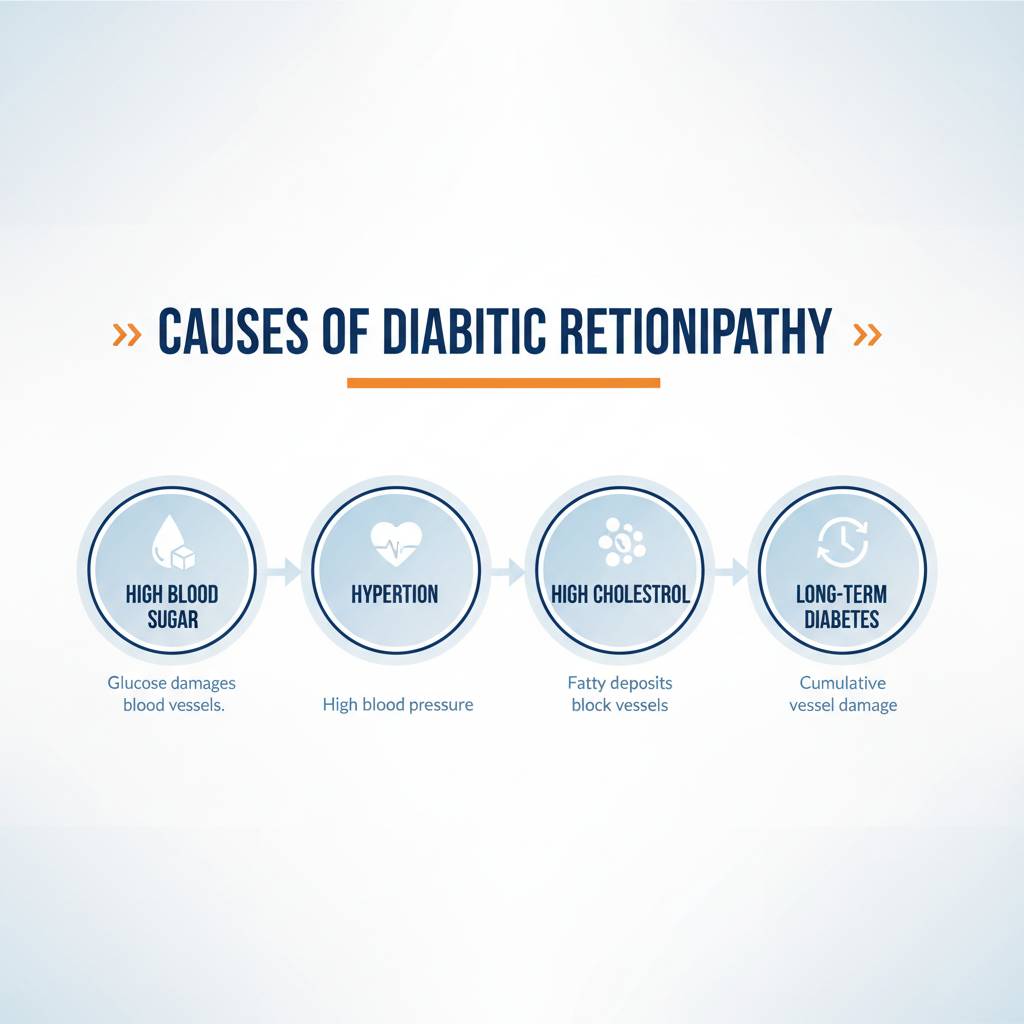
Ready to get the right care?
At-Risk Individuals?
Identify critical diabetic retinopathy risk factors to safeguard your vision and eye health efficiently.

Diabetics with long-term condition
Those with type 1 or type 2 diabetes over a decade are at higher risk for retinal damage.

Inadequate blood sugar management
Elevated, uncontrolled blood glucose levels significantly heighten the risk of diabetic eye disease progression.

Elevated blood pressure levels
Combined hypertension and diabetes accelerate retinal vessel damage, increasing vision loss risk.

Diabetic women during pregnancy
Pregnancy-related changes may exacerbate diabetic retinopathy, necessitating close monitoring.

The Critical Phase
Timely diagnosis and modern laser-assisted treatments can effectively manage complications, safeguarding vision for most patients.
ALWAYS HOSPITALIZE HIGH-RISK PATIENTS
Diabetic Retinopathy Complications: A Serious Concern
If left untreated, diabetic retinopathy may result in severe eye issues, such as vision impairment and lasting retinal harm.

Vision Impairment
Untreated diabetic retinopathy can progressively damage the retina, leading to partial or total vision loss.

Detached Retina
Scar tissue from abnormal blood vessels can cause retinal detachment, resulting in severe visual impairment.

Increased Glaucoma
Blocked fluid drainage from new vessel growth raises eye pressure, increasing diabetic glaucoma risk.
 MEDICAL ACCURACY
Identifying Diabetic Retinopathy: A Crucial Step for Vision
A thorough eye exam by a skilled ophthalmologist is vital for the precise and prompt diagnosis of diabetic retinopathy, helping to avert further vision decline in diabetic patients. Early identification via regular screenings facilitates effective treatment strategies and generally leads to improved visual results. The diagnostic process usually starts with a comprehensive medical history review, encompassing the length of diabetes, blood sugar management, and any symptoms like blurred vision or floaters. A dilated fundus examination is conducted to evaluate the retinal blood vessels, macula, and optic nerve for indications of damage, leakage, or abnormal new vessel formation linked to diabetic retinopathy. Advanced imaging techniques such as Optical Coherence Tomography (OCT) and Fundus Fluorescein Angiography (FFA) offer detailed, high-resolution images of retinal layers and blood vessel condition. These instruments assist ophthalmologists in categorizing the severity of retinopathy — ranging from mild non-proliferative to severe proliferative diabetic retinopathy — and in making suitable treatment choices. Consistent diagnostic evaluations are highly advised for all diabetic patients to enable early intervention and maintain long-term vision health.


STANDARD PROTOCOLS
Yearly Diabetic Eye Examination Requirement
Diabetic patients should have a yearly dilated eye exam to catch early retinal damage. Regular screening leads to timely diagnosis and better treatment results for most.
OCT Retinal Evaluation Procedure
Optical Coherence Tomography creates detailed retinal images, aiding in the detection of macular edema and retinal thinning. This non-invasive method helps in accurate diabetic retinopathy staging for effective treatment.
Fluorescein Angiography Assessment
Fundus Fluorescein Angiography uses a dye to show retinal blood vessel issues like leakage and blockages. It is crucial for identifying proliferative diabetic retinopathy and planning laser or surgical treatments.

Diabetic Retinopathy: Treatment and Recovery Insights
Explore advanced, effective treatments for managing diabetic retinopathy and safeguarding vision.

Laser treatment
Effective sealing of leaking vessels via laser photocoagulation.

Anti-VEGF injections
Swelling reduction and abnormal vessel growth control.

Vitreous removal surgery
Safe removal of blood from vitreous using minimally invasive methods.


Advanced In-Patient Care
In-patient care features ongoing glucose tracking, retinal scans, and expert post-surgery assistance for quicker healing.
 CRITICAL ALERT
Unmanaged blood glucose levels exacerbate retinopathy. Prompt medical attention is crucial for vision changes.
 Avoid Smoking
 Prevent Sugar Surges
 No Skipping Meds
Consult a professional before any medication.
Urgent: Take immediate action for diabetic retinopathy.
If diabetic retinopathy causes sudden vision changes, seek eye care promptly.
 Emergency Hotline


Prevention: Your top defense against diabetic retinopathy.
Adopting healthy habits and early intervention effectively lowers diabetic retinopathy risk.

Manage Blood Glucose
Stable glucose levels safeguard retinal vessels from harm.

Track Blood Pressure
Control blood pressure to reduce retinal complication risks.

Frequent Eye Checks
Annual dilated eye exams aid early detection and care.

Adopt Healthy Habits
Regular exercise and balanced diet promote eye health.


Your health is our
sole priority.
Need Expert Medical Consultation?
Our network of diabetic-retinopathy specialists are available for immediate clinical evaluation and personalized recovery planning.

Frequently Asked Questions
Effective diabetic retinopathy treatments include laser therapy, anti-VEGF injections, and vitrectomy, which help manage retinal damage and preserve vision in most patients.
Laser-assisted treatment, a minimally invasive method, is effective for diabetic retinopathy by sealing leaking blood vessels and slowing disease progression with high success rates.